
Youth For Truth – March Monthly Session
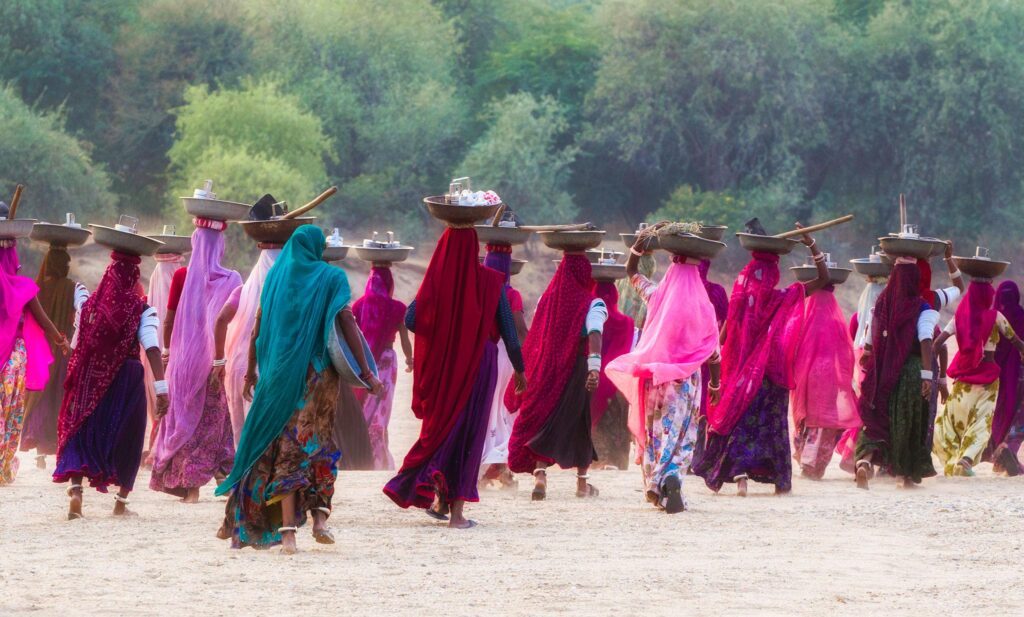
India’s development story cannot be understood without understanding its villages. Nearly 65% of India’s population still resides in rural areas, and employment remains one of the biggest challenges facing rural households.
This month, Youth For Truth is organizing a focused policy discussion on:
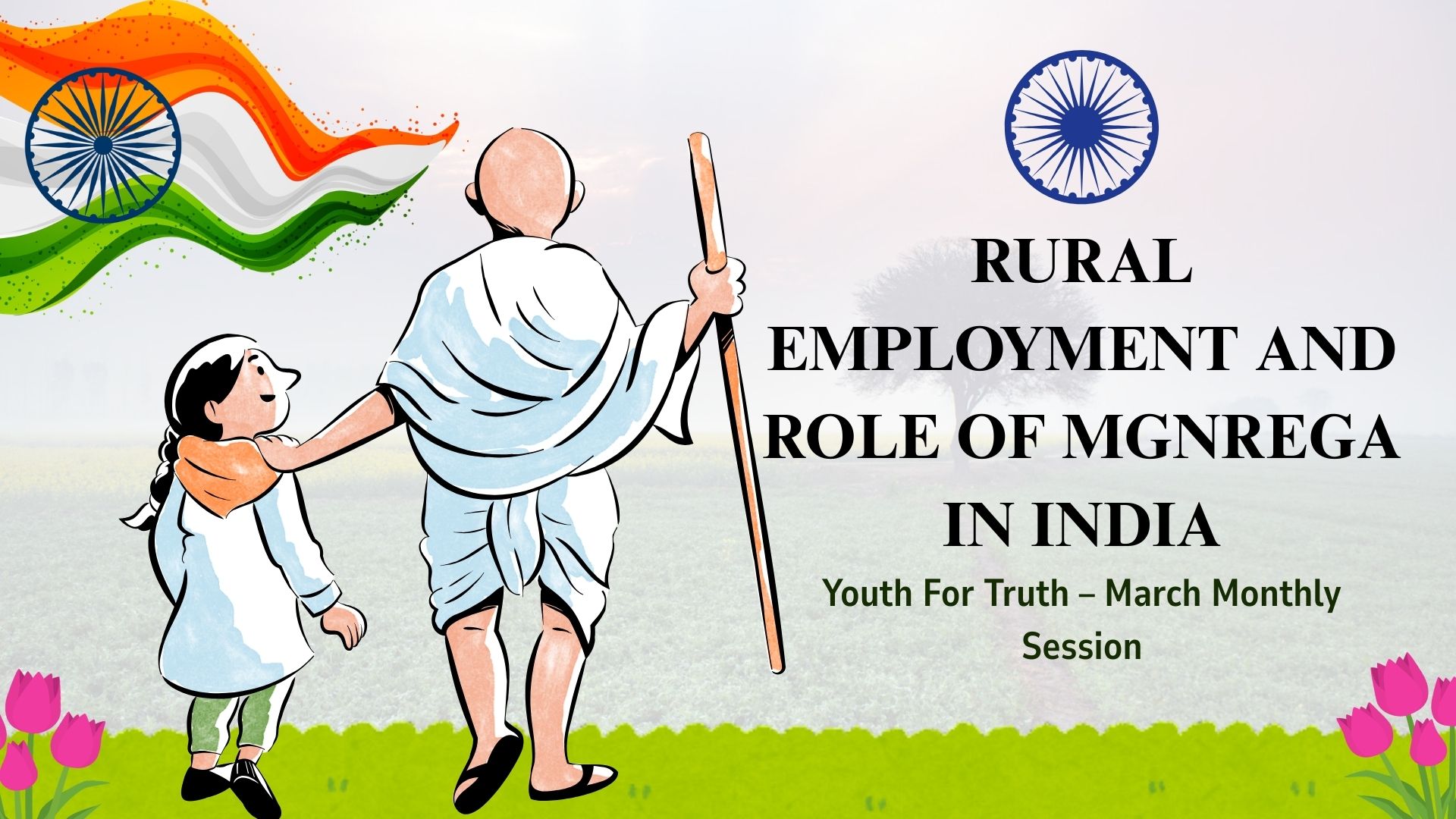
“Rural Employment and Role of MGNREGA in India.”
The session will examine how rural employment schemes shape economic stability, migration trends, and social security for millions of families.
What is MGNREGA?
The Mahatma Gandhi National Rural Employment Guarantee Act (MGNREGA) was enacted in 2005 by the Government of India. It guarantees 100 days of wage employment per year to rural households willing to do unskilled manual work.
Unlike traditional welfare schemes, MGNREGA is rights-based legislation, meaning employment is legally guaranteed. If work is not provided within 15 days of demand, the applicant is entitled to unemployment allowance.
Key Objectives of MGNREGA:
- Enhance livelihood security in rural areas
- Reduce distress migration to cities
- Empower women through wage employment
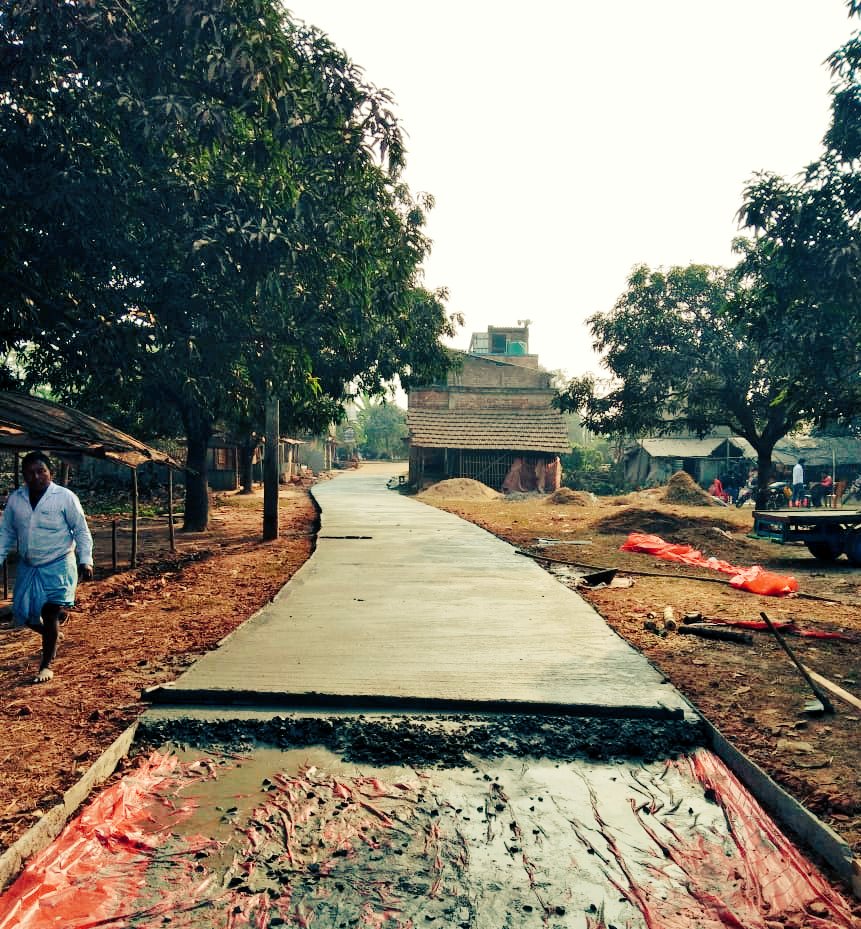
- Create durable rural assets (roads, ponds, irrigation facilities)
- Strengthen grassroots democracy via Gram Panchayats
Why Rural Employment Matters in India
Rural employment is directly linked to:
- Poverty reduction
- Agricultural sustainability
- Local infrastructure development
- Social stability
- Economic resilience during crises
During events like the COVID-19 lockdown, MGNREGA became a lifeline for returning migrant workers.
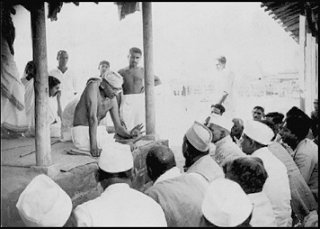
Impact of MGNREGA on Rural India
1. Employment Generation
Every year, crores of households receive employment through the scheme, making it one of the largest public employment programs in the world.
2. Women Participation
Nearly 50% of beneficiaries are women, making MGNREGA a powerful instrument of rural women empowerment.
3. Asset Creation
Works such as water conservation structures, rural roads, and irrigation systems improve long-term agricultural productivity.
4. Strengthening Local Governance
Gram Panchayats play a key role in implementation, encouraging decentralized planning.
Challenges and Criticisms
Despite its impact, MGNREGA faces several concerns:
- Delays in wage payments
- Budget constraints
- Corruption and leakages in some regions
- Inadequate awareness among beneficiaries
- Limited skill-based employment
Addressing these challenges is essential for strengthening rural employment security.
Gandhian Vision and Rural Development
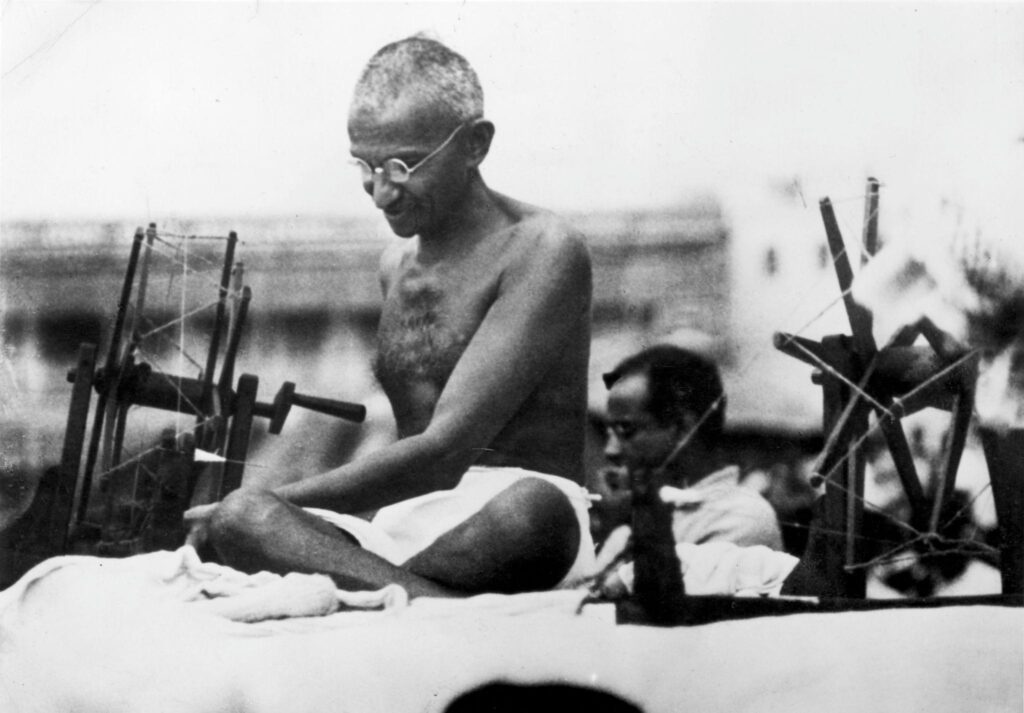
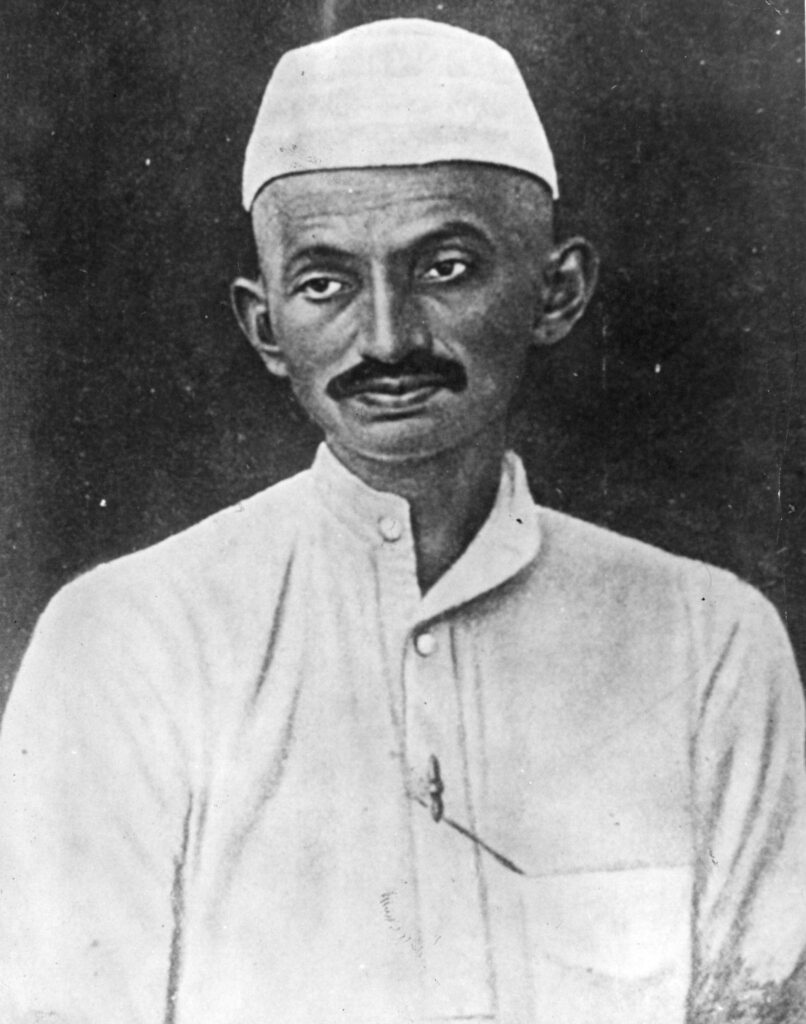
The idea of empowering villages aligns with the philosophy of Mahatma Gandhi, who believed:
“The soul of India lives in its villages.”
MGNREGA, in many ways, reflects this principle by strengthening rural livelihoods and promoting decentralized development.
Why Youth Must Understand MGNREGA
Young citizens must engage with policy discussions because:
- Rural employment affects national economic stability
- Public spending impacts taxpayers and development priorities
- Migration patterns influence urban infrastructure
- Governance accountability requires informed citizens
MGNREGA is not just a government scheme — it is a social contract between the state and rural citizens.
Youth For Truth – March Session Details
📅 1st Saturday of March
⏰ 7:00 PM (Online – Zoom)
🎯 Open dialogue on policy, ground realities, and reform suggestions
This session aims to create a balanced, research-based discussion on rural employment and public accountability.
{ “design_type”: “YouTube Thumbnail”, “aspect_ratio”: “16:9”, “style”: “Professional, educational, documentary style”, “background”: { “scene”: “Indian rural landscape with fields and soft natural daylight”, “overlay”: “Dark transparent gradient for text readability” }, “left_section”: { “image_description”: “Rural workers engaged in road or pond construction in an Indian village setting”, “style”: “Realistic, documentary photography” }, “right_section”: { “image_description”: “Respectful black and white portrait of Mahatma Gandhi with soft fade blending into background”, “style”: “Minimal, dignified, non-dominant” }, “main_text”: { “line_1”: “Rural Employment in India”, “line_2”: “Understanding MGNREGA”, “font_style”: “Bold, clean sans-serif”, “color”: “White and Yellow contrast”, “placement”: “Center-left” }, “branding”: { “text”: “Youth For Truth”, “placement”: “Top corner small”, “style”: “Minimal” }, “visual_tone”: “Informative, balanced, educational”, “avoid”: [ “Political party symbols”, “Aggressive expressions”, “Protest imagery”, “Sensational wording”, “Overcrowded text” ] }